

What's the difference between AEO and GEO?
There's significant misunderstanding online about Answer Engine Optimization (AEO) versus Generative Engine Optimization (GEO). Many definitions online are inadequate, confusing, or fundamentally wrong - for example:
- "AEO is getting into Google AI Overviews but GEO is getting into ChatGPT and Gemini" - this is overly simplified.
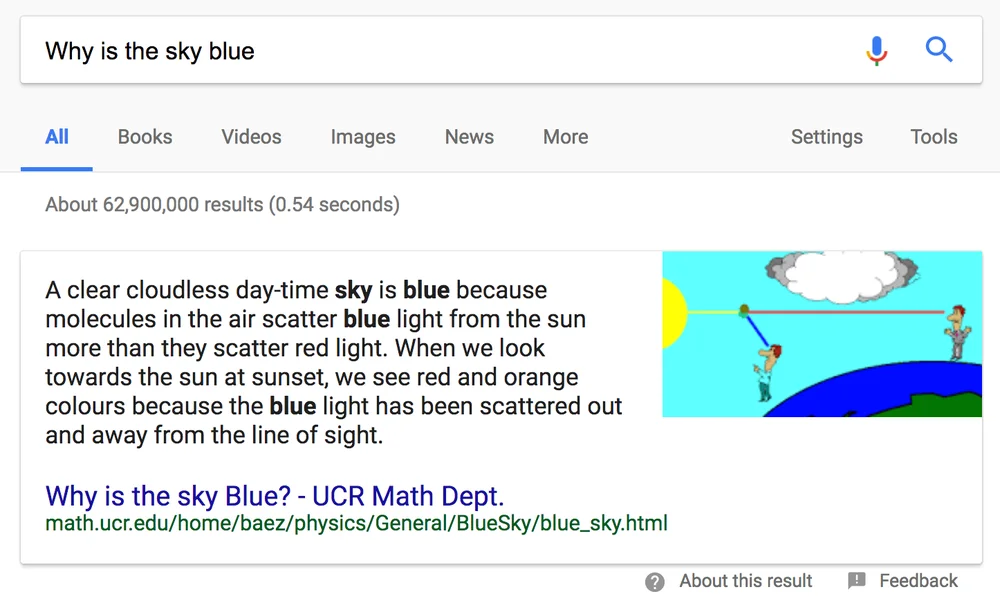
- "AEO is for featured snippets and voice assistants" - leaves most people wondering what is a featured snippet when are voice assistants using the content.
- Or even "GEO means Google Engine Optimization" - entirely untrue!
The best distinction between the two is:
- AEO (Answer Engine Optimization): when AI directly quotes and links to your specific content
- GEO (Generative Engine Optimization): when AI synthesises information (often multiple other sources as well), paraphrasing your content and citing/linking to it as a reference.
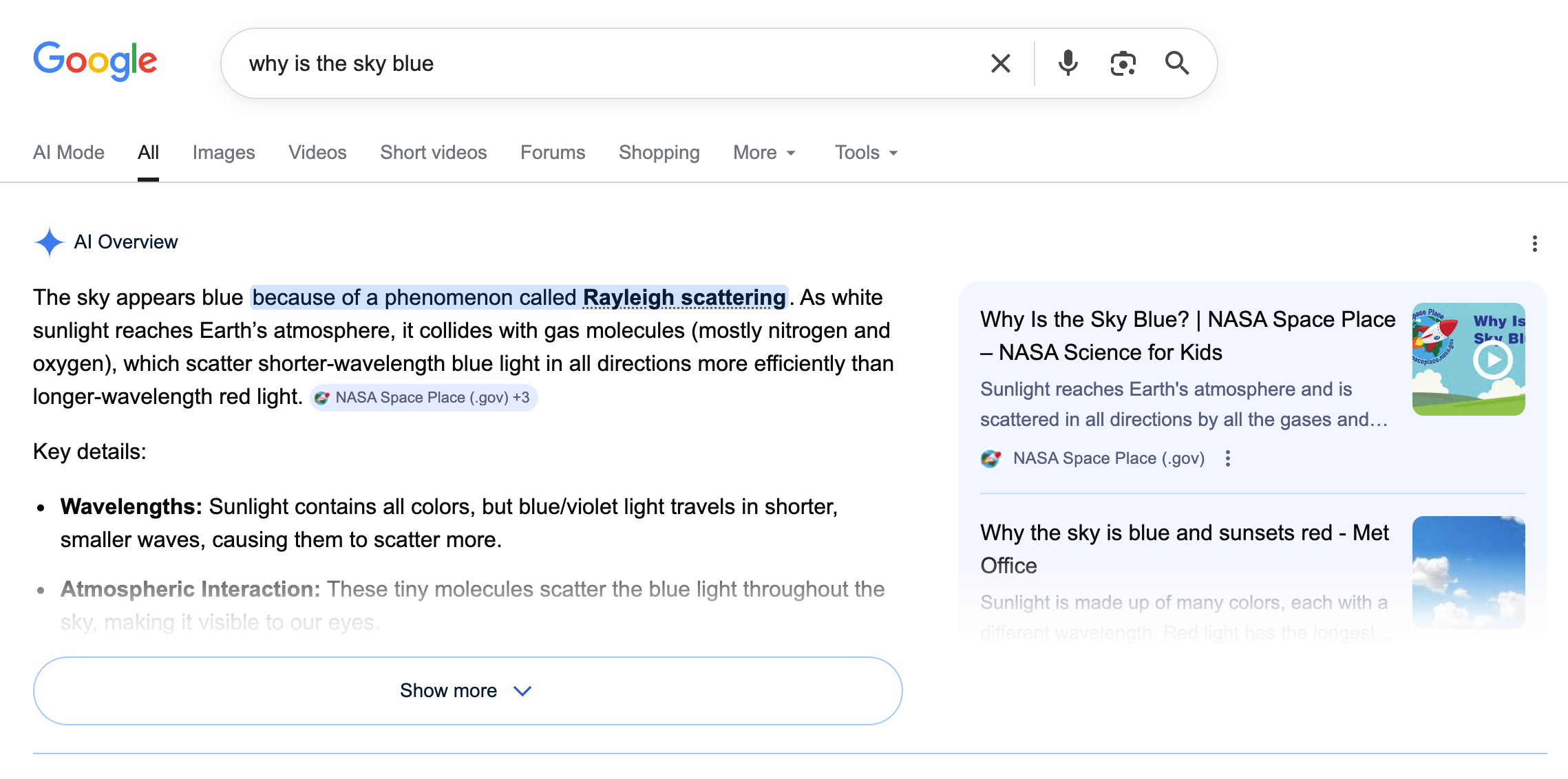
Part of the confusion is that most users are familiar with AEO as "Featured Snippets" at the top of Google Search Results - and many definitions of AEO online refer specifically to Featured Snippets. A snippet is when part of a website is highlighted if it specifically answers the user's question. However, Google has shifted to "AI Overviews", where the engine summarises multiple top results - which technically aligns more with GEO than AEO.
AEO and GEO are converging
Since the distinction is narrowing, and the strategies to optimize for both are largely identical, the two are used interchangeably - and over time, it is likely that only one will persist in common usage.
Consider the history of Search Engine Optimization (SEO). In the early-to-mid-1990s, SEO had not yet emerged as the dominant term. "Search Engine Positioning" was an early leader when search engines acted more like address directories. Position or placement within a category was key. Once search engines like Google launched, which algorithmically ranking results based on relevance, "optimization" became the favoured term and gradually became the industry standard.
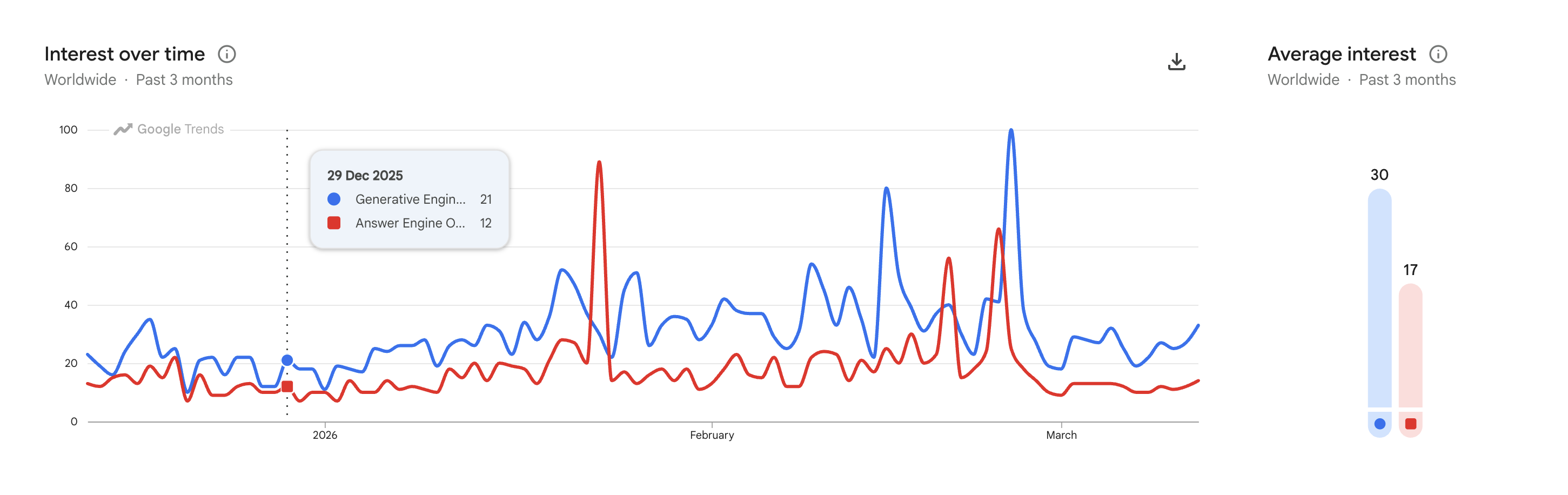
So, which term will come to dominate? It is too early to tell, although GEO seems to have the edge. Google Search Trends data for the two terms shows GEO gets about twice the search volume as AEO. The Wikipedia page for Answer Engine Optimization redirects to the entry for Generative Engine Optimization. However, many companies building tools in the space seemingly prefer the term AEO.
Does AEO or GEO matter more for Ecommerce?
Both AEO and GEO matter, depending on what the customer's intent.
If the customer is asking generally about trends or market advice, GEO is the priority. AI models are more likely to answer by synthesising from multiple sources for these results, so you want your blog or social content to be included in the generated answer. It will build brand awareness and increase the chance of being featured in follow-up answers.
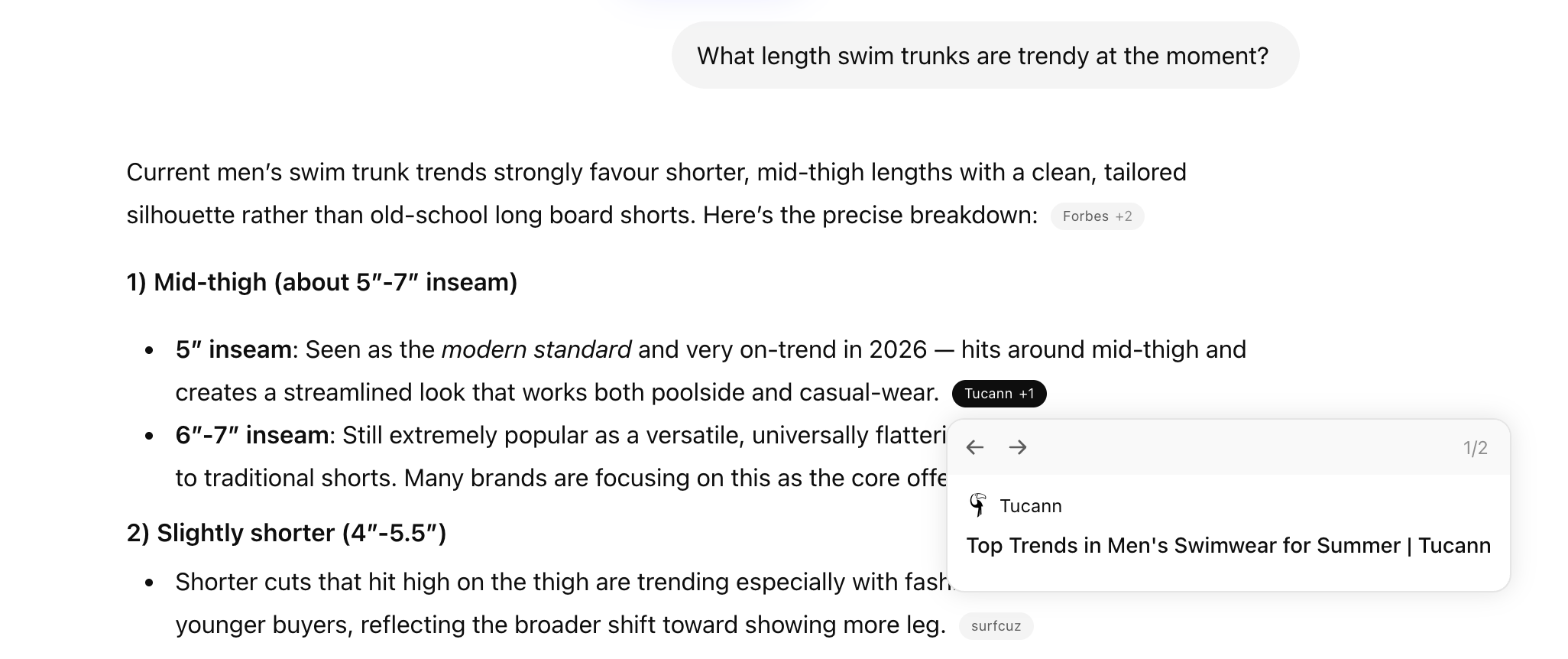
When a customer asks for specific product recommendations, AEO is more important. You want the AI to pull in your product listing, price, availability, shipping offers, and other product information. ChatGPT supports rich shopping results
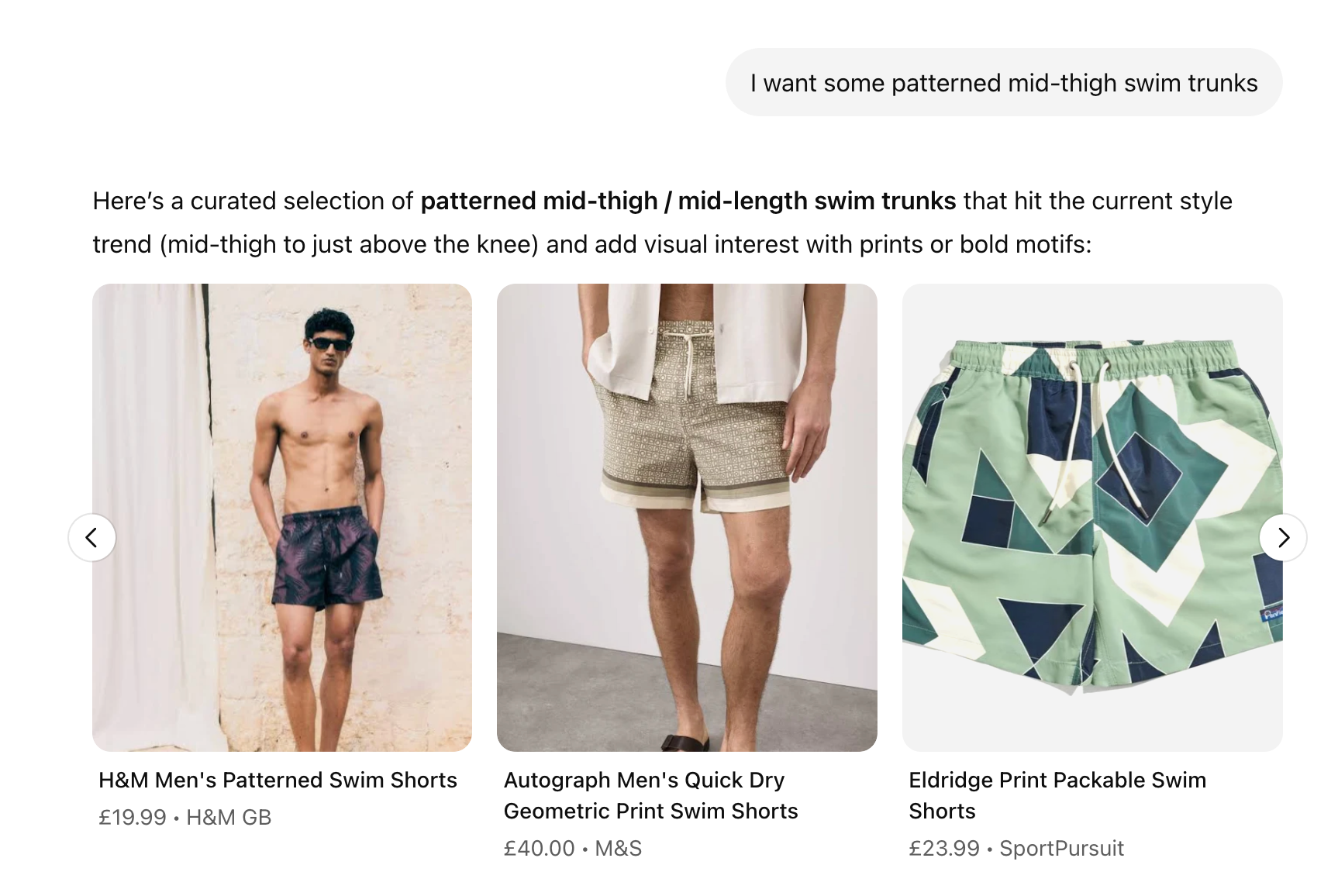
AEO-driven searches are easier to rank for and tend to have higher purchasing intent. While AI models rely on established, high-authority sources for GEO-driven queries, they prioritise exact keyword matches and product data to find products meeting a customer's needs. If your product listing perfectly matches specific descriptors (size, material or niche features), it is much more likely to be prioritised in results. This also helps smaller businesses outrank larger competitors by focusing on "long-tail" product attributes.
Summary
- Answer Engine Optimization (AEO) is when your content is directly quoted and linked to in an AI response. Generative Engine Optimization (GEO) is when your content is paraphrased and synthesised by the AI model, with a citation linking back to it.
- The terms are converging in meaning, and it is likely that one will become the dominant term over time
- For Ecommerce, both matter. However, smaller businesses may be able to use AEO to outrank larger competitors by focusing on matching specific product descriptors like size, material and patterns